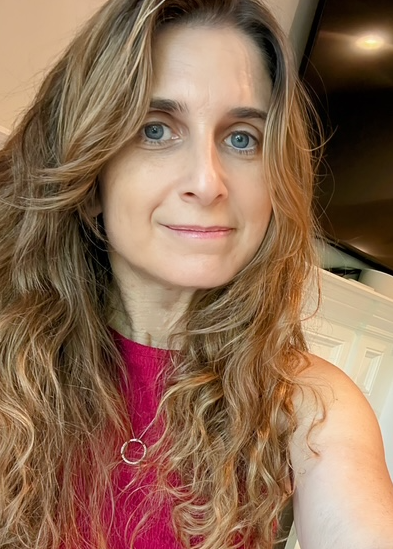
About me
I received my PhD in Science Communication from the Department of Education in Technology and Science at the Technion – Israel Institute of Technology, and my BA and MA in Linguistics from the University of Haifa.
Since 2002, I have been a faculty member at the Technion. I currently head the Language and Communication Lab in the Department of Humanities and Arts, where I also serve as Academic Head and lecturer of Graduate Academic Writing. Previously, I served as Associate Head of the Department of Humanities and Arts and as Director of the English Program at the Guangdong Technion Israel Institute of Technology (GTIIT) in China.
My research focuses on academic writing, STEM science communication, and the use of artificial intelligence to support writing instruction and assessment. I develop pedagogical, rhetorical, and AI-based tools for teaching, assessing, and researching writing in multilingual and multicultural academic contexts. My work brings together applied linguistics, science communication, educational technology, and STEM higher education.
A central theme of my research is helping scientists and engineers communicate more effectively with academic, professional, and public audiences. More recently, I have explored how generative AI can transform writing education—not as a replacement for human writers, but as a tool for studying writing processes, providing formative feedback, and supporting writers from diverse linguistic, cultural, and educational backgrounds. Through this work, I aim to develop evidence-based frameworks that make academic and scientific communication more effective, accessible, and inclusive.
MY LAB
Current lab members

Ilana Shlomov
Shallom Abla Lumor
Xinyi ZHANG

Amani Jaber
Peng (Patrick) Zhang

Adam Asad
Past lab members
Andrey S. Druzhinin

Caterina Scaccia

Laila Haddad Najjar
IN THE NEWS
SSLW2026 - October 2026
The 22nd Symposium on Second Language Writing
京都大学国際高等教育院国際シンポジウム
The Humanity of Writing Teachers in the Age of AI
October 23-25, 2026
Kyoto University
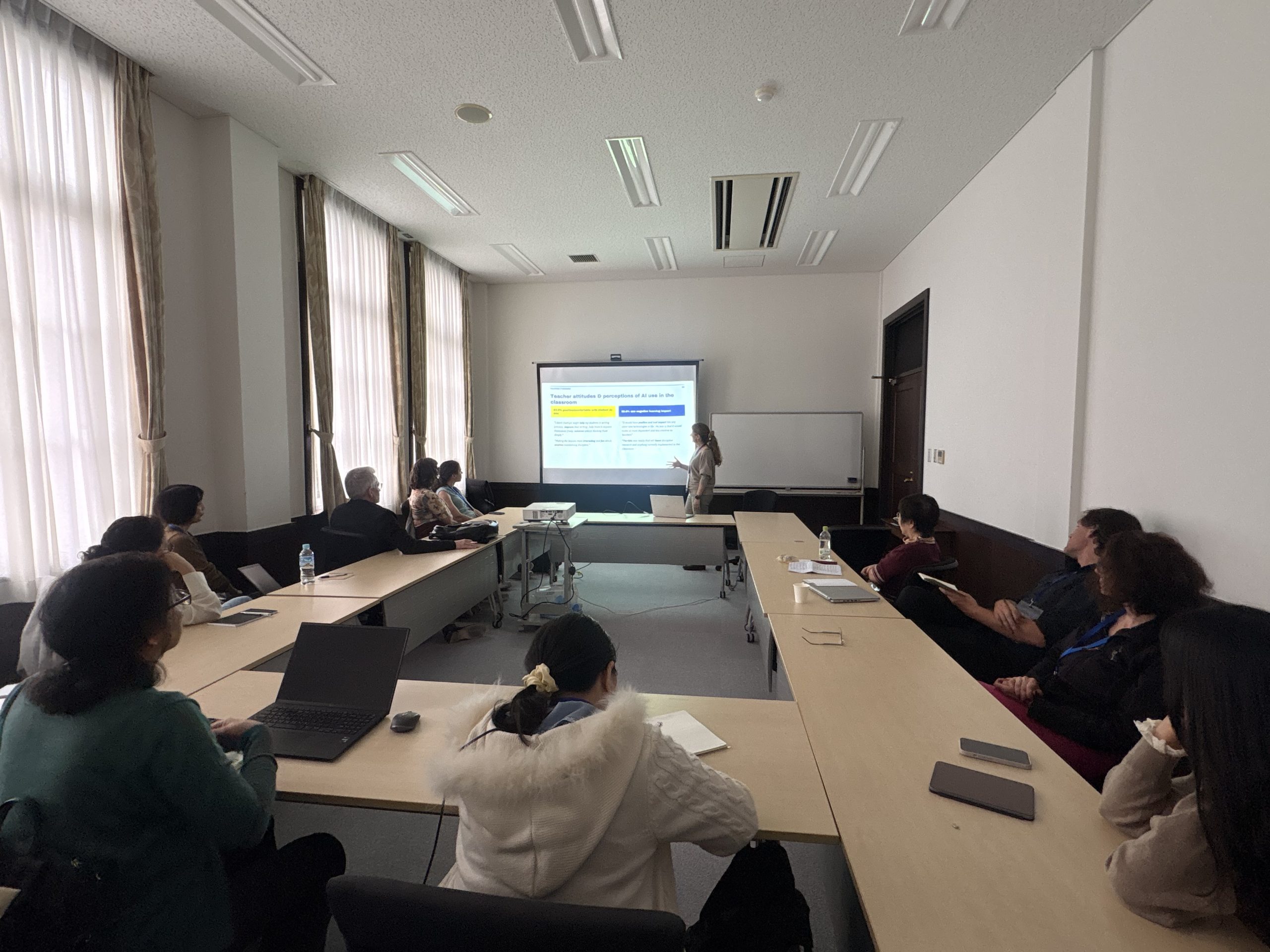
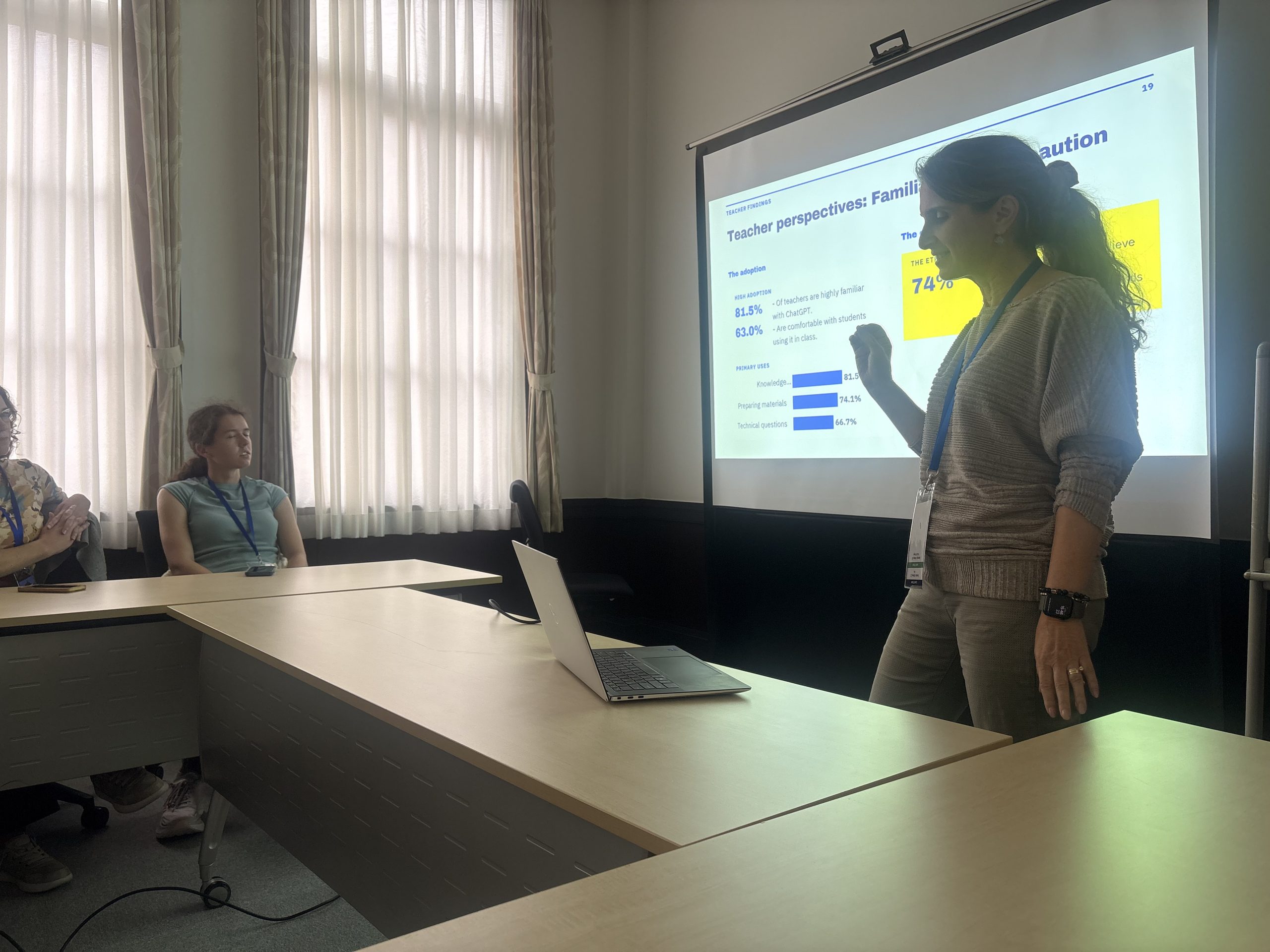
My department seminar - April 2025
From Rubrics to Robots: The Transformation of STEM Writing Instruction, Assessment and Research
Abstract
Writing is one of the most challenging language skills to master, yet it is essential for academic success. Therefore, many universities offer academic writing courses to support students and future researchers in effectively communicating and publishing their work. Similarly, science communication courses provide researchers with the skills to engage broader audiences and enhance the dissemination of their findings beyond their academic community. To maximize the effectiveness of such training, it is crucial to design and assess these courses carefully. Consequently, research in academic and science communication focuses on identifying the most effective ways to support researchers in developing their writing skills and evaluating the impact of various instructional approaches – a central focus of my work.
In this seminar, I will present my research on science communication and academic writing in STEM, situating it within the broader development of writing instruction, assessment, and research. To frame this discussion, I will trace the progression of assessment methods in pedagogy and research – from human-scored rubrics and standardized evaluations to computational approaches such as corpus linguistics, natural language processing (NLP), and machine learning (ML). These technological advancements have enabled large-scale writing analysis, paving the way for AI-driven assessment tools that provide real-time text generation and personalized feedback. By examining these developments, I will highlight how AI has been integrated into my work and the broader field, shaping the way STEM graduate students develop their communication skills and how their writing is assessed.
AI WEEK 2026 - October 11–22
01 | WORKSHOP Writing with AI - For undergraduate students
02 | WORKSHOP Writing with AI - For graduate students
03 | AI TALKS - From the Classroom to the Community: Success Stories and Insights Dr. Orit Ravkin, Dr. Avital Bina-Polak, and Dr. Tzipora Rakedzon.
The Importance of Literacy in the AI Era: A Holistic Pedagogical Initiative at the Technion
04 | RESEARCH SESSION - Integrating AI into Research at the Technion: Sharing Experiences, Insights, and Future Perspectives - “From AI Assistant to Research Infrastructure: Scalable Systems for Academic Writing Optimization”
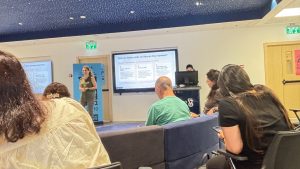
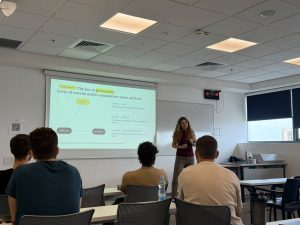
Science Communication Workshop at Princeton
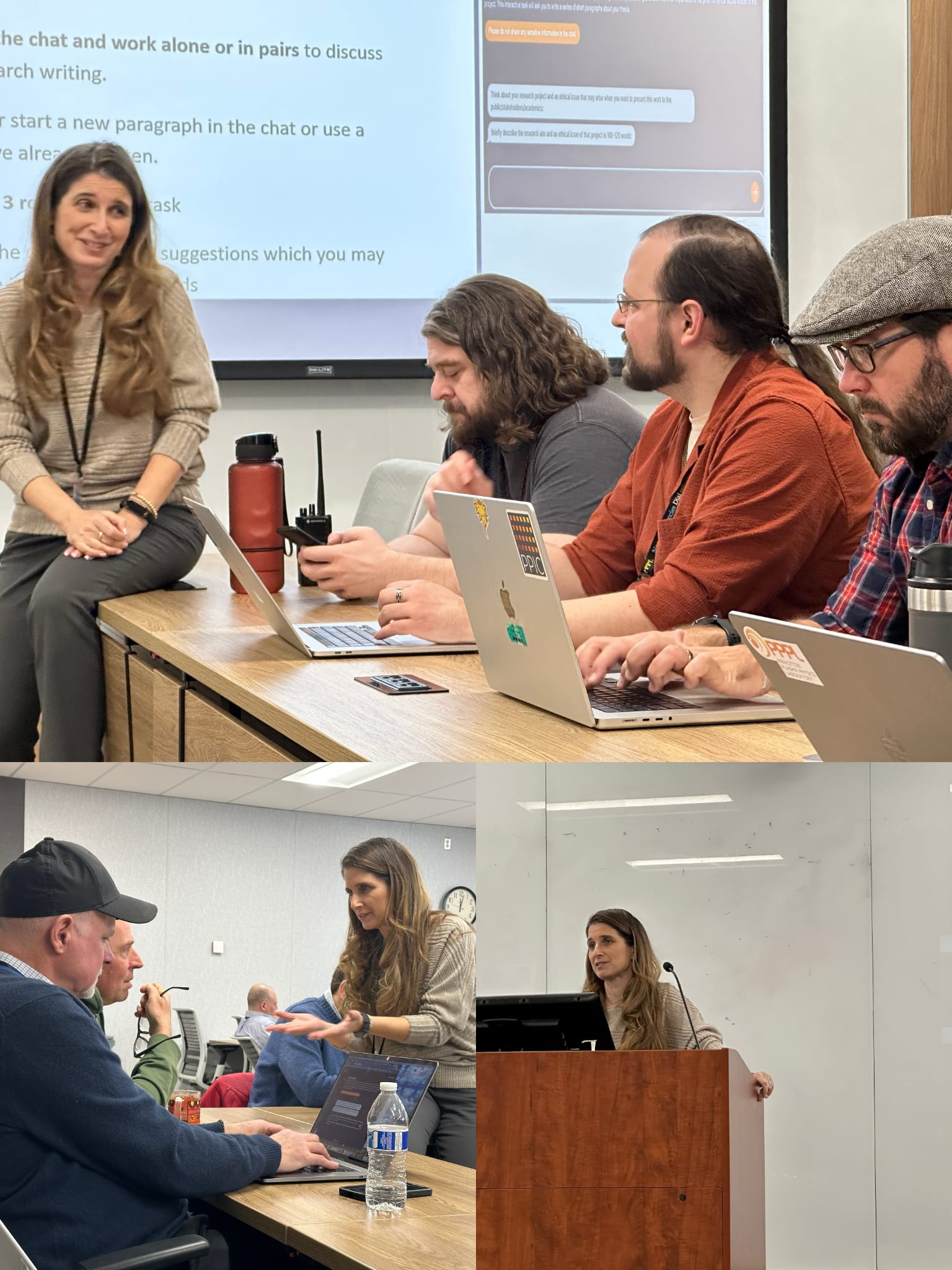
Dr. Rakedzon recently conducted a dynamic workshop at Princeton’s Plasma Physics Laboratory, focusing on research-based tools for effective science communication.
The session introduced innovative AI-powered tools and tasks to make scientific communication more accessible and impactful. Participants explored strategies for handling jargon, writing concisely, crafting persuasive messages, and addressing ethical aspects of research.
Through hands-on activities, live demonstrations, and practical insights, attendees gained valuable skills to better engage both public and academic audiences.
The event was well-received, highlighting the growing importance of clear, impactful communication in science and research.
My department seminar - April 2025
From Rubrics to Robots: The Transformation of STEM Writing Instruction, Assessment and Research
Abstract
Writing is one of the most challenging language skills to master, yet it is essential for academic success. Therefore, many universities offer academic writing courses to support students and future researchers in effectively communicating and publishing their work. Similarly, science communication courses provide researchers with the skills to engage broader audiences and enhance the dissemination of their findings beyond their academic community. To maximize the effectiveness of such training, it is crucial to design and assess these courses carefully. Consequently, research in academic and science communication focuses on identifying the most effective ways to support researchers in developing their writing skills and evaluating the impact of various instructional approaches – a central focus of my work.
In this seminar, I will present my research on science communication and academic writing in STEM, situating it within the broader development of writing instruction, assessment, and research. To frame this discussion, I will trace the progression of assessment methods in pedagogy and research – from human-scored rubrics and standardized evaluations to computational approaches such as corpus linguistics, natural language processing (NLP), and machine learning (ML). These technological advancements have enabled large-scale writing analysis, paving the way for AI-driven assessment tools that provide real-time text generation and personalized feedback. By examining these developments, I will highlight how AI has been integrated into my work and the broader field, shaping the way STEM graduate students develop their communication skills and how their writing is assessed.
AI WEEK 2026 - October 11–22
01 | WORKSHOP Writing with AI - For undergraduate students
02 | WORKSHOP Writing with AI - For graduate students
03 | AI TALKS - From the Classroom to the Community: Success Stories and Insights Dr. Orit Ravkin, Dr. Avital Bina-Polak, and Dr. Tzipora Rakedzon.
The Importance of Literacy in the AI Era: A Holistic Pedagogical Initiative at the Technion
04 | RESEARCH SESSION - Integrating AI into Research at the Technion: Sharing Experiences, Insights, and Future Perspectives - “From AI Assistant to Research Infrastructure: Scalable Systems for Academic Writing Optimization”
Contact
Offices
Email: Dr. Tzipora Rakedzon hutzipi@technion.ac.il
Links:
Research gate https://www.researchgate.net/profile/Tzipora-Rakedzon
LinkedIn https://www.linkedin.com/in/tzipora-rakedzon-81062343/
Google scholar profile: https://scholar.google.co.il/citations?user=RgBkBwMAAAAJ&hl=en
You can find me at:
Office: 206 Department of Humanities and Arts
Lab: 315 Department of Humanities and Arts
Technion – Israel Institute of Technology
Technion City
3200003 Haifa, Israel